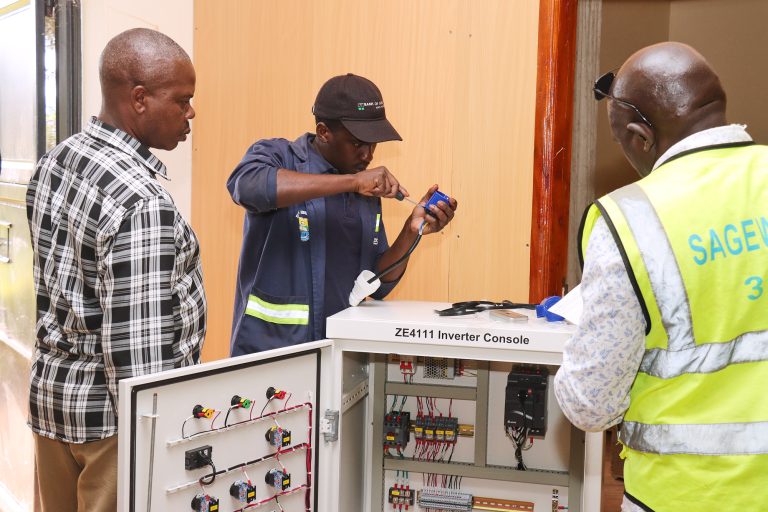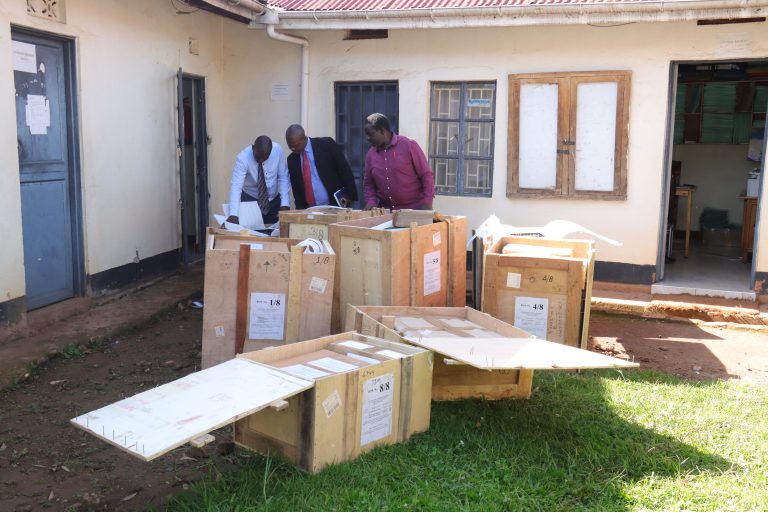



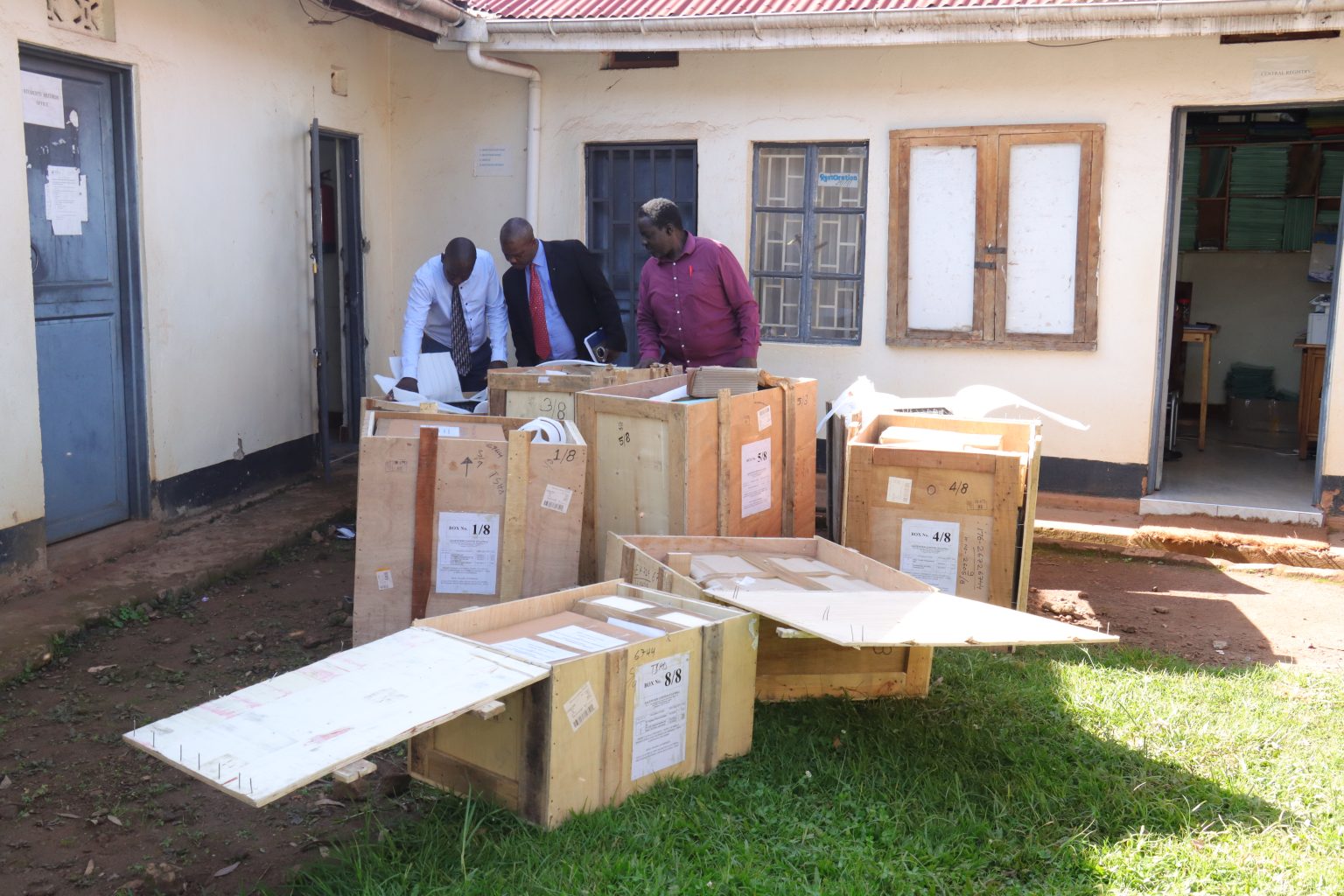
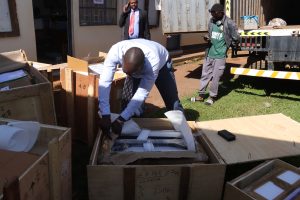
 Kabale University has received assorted equipment under the NISHATI Project, marking a significant milestone in the institution’s efforts to strengthen practical teaching, research and innovation in sustainable development.
The equipment will support the establishment of Green Laboratories at the University, providing students and staff with modern facilities for hands-on learning in water management, renewable energy, sustainable agriculture and green technologies. The laboratories will incorporate energy-efficient equipment, solar-powered systems and waste-reduction practices to enhance practical training and promote environmentally responsible innovation.
The initiative is being implemented collaboratively by the Faculty of Agriculture and Environmental Sciences, the Faculty of Engineering, Technology, Applied Design and Fine Art, and the Communication, Branding and Marketing Department. The newly acquired equipment will facilitate the delivery of practical components within NISHATI courses while strengthening capacity in green energy and water management technologies.
NISHATI aims to improve higher education by enhancing academic programmes and equipping learners with transversal skills, particularly in entrepreneurship, business development and emerging green economies. Through partnerships with industry and community stakeholders, the project seeks to improve professional competitiveness and create opportunities for sustainable economic growth.
 One of the project’s key objectives is the integration of practical learning into the delivery of NISHATI courses. Through an innovative teaching approach that combines theoretical knowledge, practical competencies and the training of local trainers, the project responds to regional priorities including the Green Deal and Sustainable Growth and Jobs agenda. This approach is further supported through curriculum enhancement, installation of green laboratories and increased engagement with local communities.
The NISHATI Project adopts a multidisciplinary framework encompassing technical, economic, governance and societal dimensions. By establishing Green Laboratories and strengthening practical learning environments, the project will contribute to the transformation of higher education institutions within the partnership. The initiative is expected to enhance graduate employability, strengthen local innovation ecosystems and promote inclusive access to sustainable technologies that address community needs.
The delivery of this equipment represents another important step towards achieving the project’s vision of building capacities in water management, renewable energy and sustainable agriculture while enhancing resilience to climate change across partner institutions in East Africa.